


Prepared by TierOne Real Estate
Supporting rental property owners across Salt Lake and the Wasatch Front for more than 20 years
Many first-time rental owners focus primarily on monthly rent, mortgage payments, and property appreciation. However, across the Wasatch Front rental market, the first year of ownership often includes operational costs owners did not initially anticipate. These costs are not necessarily signs of poor investment performance — most are normal parts of stabilizing a rental property through its first tenancy cycle.
Understanding these ownership costs early helps owners reduce financial surprises, prepare more accurate reserves, improve long-term rental planning, and reduce avoidable vacancy exposure.
Across properties supported throughout Salt Lake and surrounding Wasatch Front communities, owners who plan for these operational realities typically experience more stable long-term rental performance.
Quick Answer: The Largest First-Year Rental Costs Are Usually Operational, Not Catastrophic
Most unexpected first-year rental expenses are related to:
vacancy timing
maintenance coordination
turnover preparation
leasing delays
seasonal repairs
tenant placement adjustments
In many cases, these smaller operational costs collectively affect annual rental performance more than one major repair event.
Key Takeaways
The largest unexpected first-year rental costs are usually operational — vacancy timing, turnover preparation, maintenance coordination, and seasonal repairs — not single catastrophic events.
Even a well-maintained property may sit vacant for several weeks during slower leasing periods, making vacancy one of the most significant first-year costs.
Turnover preparation expenses — cleaning, paint, carpet, minor repairs, rekeying — tend to stack up simultaneously and catch new owners off guard.
Slight overpricing during slower leasing months can quietly reduce annual income more than a single maintenance call.
Most first-year costs normalize after the initial tenancy stabilizes, making multi-year performance a more accurate measure than first-cycle results alone.
Vacancy Between Tenants Often Costs More Than Owners Expect

Many owners assume a property will lease immediately after becoming available.
Across the Wasatch Front leasing cycle, placement timing depends on:
pricing alignment
seasonal demand
property readiness
showing availability
Even a well-maintained property may experience several weeks of vacancy during slower leasing periods.
Use our vacancy loss calculator to see what a vacancy period actually costs for your specific rental — a single vacancy month is often one of the largest first-year ownership expenses.
Turnover Preparation Costs Add Up Quickly
Between tenants, owners often encounter multiple smaller preparation expenses simultaneously.
Common turnover costs include:
professional cleaning
paint touch-ups
minor repairs
carpet cleaning
lock rekeying
landscaping cleanup
maintenance coordination
Across many rental properties, turnover preparation becomes one of the most underestimated ownership expenses during the first year.
Maintenance Requests Often Begin Earlier Than Expected

New rental owners sometimes assume maintenance issues will appear only after years of tenancy.
In practice, maintenance coordination often begins immediately.
Common first-year maintenance requests include:
appliance servicing
plumbing adjustments
HVAC issues
garage door repairs
minor electrical repairs
fixture replacement
Across Wasatch Front rental ownership timelines, maintenance coordination is one of the most time-intensive operational responsibilities. For a closer look at how streamlining maintenance coordination reduces both cost and response time, our guide on digital work orders breaks down what that system looks like in practice.
Seasonal Repairs Are Frequently Overlooked
Northern Utah weather creates seasonal maintenance cycles many new owners underestimate.
Common seasonal repair categories include:
freeze-related plumbing concerns
irrigation adjustments
snow-related exterior wear
roof drainage issues
HVAC seasonal servicing
These maintenance cycles are normal across Salt Lake and surrounding Wasatch Front communities.
Planning reserves for seasonal repairs improves long-term ownership stability.
Pricing Mistakes Can Quietly Reduce Annual Income
Many owners focus on maximizing monthly rent rather than optimizing annual occupancy stability.
Across local leasing cycles:
slight overpricing can extend vacancy timelines
especially during:
October through February leasing periods.
Even modest placement delays often outweigh the financial benefit of pricing aggressively.
Pricing accuracy strongly influences first-year rental performance.
Leasing Delays Are More Common During Winter Months
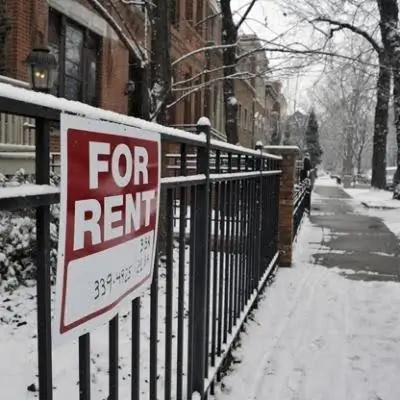
Across the Wasatch Front rental market, leasing activity typically slows during winter months.
This affects:
showing activity
application volume
placement timing
Owners listing properties during slower leasing periods may experience longer placement timelines than expected.
Understanding seasonal timing helps reduce unnecessary pricing reductions and unrealistic leasing expectations. For a full breakdown of why this happens and how to plan around it, see our guide on why rental vacancy increases during winter leasing months.
Insurance Deductibles and Small Repairs Add Up
Many first-year ownership costs are not catastrophic claims.
Instead, owners frequently encounter:
minor water leaks
small appliance failures
Lockouts
garage door issues
service-call minimums
These smaller expenses often create more operational disruption than major repairs because they occur unpredictably throughout the year.
Utility Carry Costs During Vacancy Periods Are Often Underestimated
During vacancy periods, owners commonly continue paying:
Utilities
internet services
HOA dues
landscaping costs
snow removal
insurance premiums
Even short vacancy periods can increase carrying costs more than expected.
This is one reason vacancy timing strongly influences annual rental performance.
Self-Managing Often Includes Hidden Time Costs
Owners coordinating their own rental operations often spend significant time handling:
showing scheduling
maintenance calls
vendor coordination
tenant communication
documentation tracking
lease enforcement communication
These responsibilities may not appear as direct financial expenses but still affect ownership workload and operational efficiency.
Preventative Inspections Often Reduce Larger Costs Later
Across properties managed throughout Salt Lake County and the Wasatch Front, preventative inspections commonly help identify:
small leaks
filter neglect
early appliance wear
unauthorized occupancy issues
maintenance concerns before escalation
This reduces the likelihood of larger turnover-level repairs later in the tenancy cycle.
Why First-Year Costs Often Normalize Over Time
Many first-year ownership expenses involve stabilizing the property and tenancy systems.
After stabilization, owners often experience:
more predictable maintenance cycles
improved reserve planning
longer tenancy periods
better understanding of seasonal timing
Understanding this helps owners evaluate rental performance more accurately over multi-year ownership timelines instead of focusing only on the first lease cycle.
How TierOne Helps Reduce Unexpected Ownership Costs
Across properties supported throughout Salt Lake and surrounding Wasatch Front communities, TierOne systems typically focus on:
accurate pricing alignment
preventative inspection scheduling
maintenance coordination
tenant placement consistency
turnover readiness planning
These systems help reduce avoidable vacancy exposure and improve long-term rental stability.
Frequently Asked Questions About First-Year Rental Ownership Costs
What is the most underestimated first-year rental cost?
Vacancy timing and turnover preparation are among the most commonly underestimated ownership expenses.
Are maintenance costs usually higher during the first year?
Many owners experience higher maintenance coordination during the first lease cycle while stabilizing property systems and tenant expectations.
Does pricing strategy affect first-year rental income?
Yes. Placement timing often has a larger impact on annual rental performance than small differences in monthly rent pricing.
Are seasonal leasing slowdowns normal in northern Utah?
Yes. Leasing activity typically slows during winter months across the Wasatch Front rental market.
Planning Ahead Makes the First Year More Manageable
Most first-year rental ownership costs are not catastrophic surprises. Across the Wasatch Front rental market, the largest operational risks typically involve vacancy timing, maintenance coordination, turnover preparation, pricing accuracy, and seasonal leasing expectations. Owners who plan for these operational realities usually experience more stable long-term rental performance and fewer avoidable disruptions.
If you'd like help building a management plan that accounts for these realities from day one, reach out to TierOne Real Estate to get started.
Additional Resources
How Much Rent Are Wasatch Front Landlords Losing by Pricing a Home Wrong?
Why Rental Vacancy Increases During Winter Leasing Months in the Wasatch Front
Complete Cost Guide for Rental Property Owners in Salt Lake and the Wasatch Front