


Prepared by TierOne Real Estate
Supporting rental property owners across Salt Lake and the Wasatch Front for more than 20 years
Many rental owners assume professional property management only makes sense for investors with large portfolios.
Across the Wasatch Front rental market, that is not always the case.
Even owners with a single rental property often evaluate whether professional management improves:
vacancy stability
maintenance coordination
tenant placement quality
operational workload
long-term rental performance
The answer depends less on the number of properties owned and more on:
time availability
operational experience
leasing coordination capacity
maintenance responsiveness
risk tolerance
Understanding these factors helps owners evaluate whether professional management supports their long-term ownership goals.
Quick Answer: Professional Management Can Benefit Even One Rental Property
Professional management is not only about portfolio size.
Across Salt Lake and surrounding Wasatch Front communities, many single-property owners choose professional management because it helps support:
pricing accuracy
tenant placement coordination
maintenance scheduling
inspection consistency
documentation organization
vacancy reduction systems
For some owners, these operational systems improve long-term rental stability more than the management fee itself affects annual returns.
Why Single-Property Owners Often Underestimate Operational Workload
Many owners initially assume rental ownership mainly involves:
collecting rent
responding to occasional repairs
In practice, rental operations often include:
showing scheduling
application coordination
lease preparation
maintenance communication
vendor scheduling
inspection tracking
documentation organization
turnover preparation
Across Wasatch Front rental ownership timelines, these operational responsibilities frequently require more coordination than owners initially expect.
Vacancy Timing Often Has a Larger Financial Impact Than Management Fees
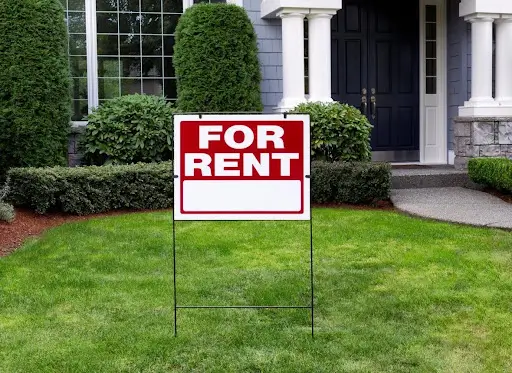
Many owners compare management cost against monthly cash flow without fully evaluating vacancy exposure.
Consider a rental property leasing for:
$2,200 per month
One additional vacancy month equals:
$2,200 in lost income
Across local leasing cycles, placement timing is often influenced by:
pricing alignment
showing availability
maintenance readiness
tenant communication responsiveness
Because vacancy timing strongly affects annual rental performance, operational systems often matter more than small fee percentage differences.
Tenant Placement Quality Matters Even for One Property
Across properties supported throughout Salt Lake County and the Wasatch Front, tenant placement quality strongly influences:
lease stability
maintenance coordination frequency
renewal timing
communication consistency
turnover frequency
A single difficult tenancy can significantly affect annual rental performance for owners with only one property.
This is one reason placement coordination systems often provide meaningful value even at smaller ownership scale.
Maintenance Coordination Is Often the Most Time-Intensive Responsibility

Maintenance coordination usually includes:
vendor scheduling
tenant communication
repair follow-up
invoice tracking
after-hours response coordination
Across Wasatch Front rental ownership timelines, maintenance communication is often the most time-intensive portion of self-management.
Professional management systems may reduce operational interruptions for owners with limited availability.
Self-Managing Can Work Well for Some Owners
Self-management may be a good fit for owners who:
live near the property
have flexible schedules
enjoy direct involvement
coordinate vendors comfortably
understand lease documentation expectations
Many owners successfully self-manage rental properties when these conditions are present.
However, self-management still requires consistent operational coordination throughout the tenancy cycle.
Why Distance Often Changes the Decision
Owners living outside the immediate Wasatch Front area frequently encounter additional challenges related to:
showing coordination
maintenance access
inspection scheduling
vendor communication
turnover preparation
For out-of-area owners, professional management often improves operational responsiveness and reduces coordination delays.
Seasonal Leasing Timing Can Affect Single-Property Owners More Dramatically
Across the Wasatch Front rental market:
May through September
typically produce stronger placement speed
October through February
often require tighter pricing alignment and more flexible showing coordination
Owners with a single property sometimes feel the financial impact of seasonal vacancy more directly because all rental income depends on one tenancy cycle.
Understanding seasonal timing helps owners evaluate the operational value of leasing coordination systems.
Why Documentation and Compliance Systems Matter
Rental ownership includes documentation responsibilities such as:
lease tracking
notice documentation
maintenance records
inspection records
security deposit handling
Professional management systems often help organize these operational responsibilities consistently across the tenancy cycle.
How Professional Management Can Improve Predictability
Many owners choose professional management not because they cannot self-manage, but because they prefer:
more predictable systems
coordinated maintenance response
structured tenant communication
consistent reporting visibility
reduced operational interruptions
Across long-term ownership timelines, operational consistency often becomes more valuable than owners initially expect.
Why Management Value Is Different for Every Owner
Professional management value depends on:
owner availability
distance from property
maintenance coordination preferences
risk tolerance
time flexibility
operational experience
There is no universal answer for every rental owner.
The better question is usually:
Which operational responsibilities most directly affect this property’s income stability?
How TierOne Supports Single-Property Owners Across the Wasatch Front
Across properties supported throughout Salt Lake and surrounding Wasatch Front communities, TierOne systems typically focus on:
accurate pricing alignment
qualified tenant placement coordination
preventative inspection scheduling
maintenance readiness
owner reporting consistency
These systems help reduce avoidable vacancy exposure and support more stable long-term tenancy cycles.
Frequently Asked Questions About Managing One Rental Property
Is professional management worth it for only one rental?
For many owners, professional management helps improve vacancy stability, maintenance coordination, and operational consistency even with a single property.
Does self-managing save money?
Self-management may reduce direct monthly expenses, but owners still coordinate leasing, maintenance, inspections, communication, and documentation responsibilities themselves.
What is the biggest challenge for single-property owners?
Vacancy timing and maintenance coordination are among the most common operational challenges.
Does professional management reduce vacancy exposure?
Accurate pricing alignment, showing coordination, maintenance readiness, and tenant placement systems often improve placement timing.
Final Insight for Wasatch Front Rental Owners
Professional property management is not simply a question of portfolio size.
Across the Wasatch Front rental market, the strongest long-term rental performance outcomes are typically influenced by:
placement quality
maintenance responsiveness
inspection consistency
communication systems
vacancy exposure reduction
For many owners, even one rental property benefits from structured operational systems that support more stable tenancy cycles and reduce avoidable disruptions over time.